
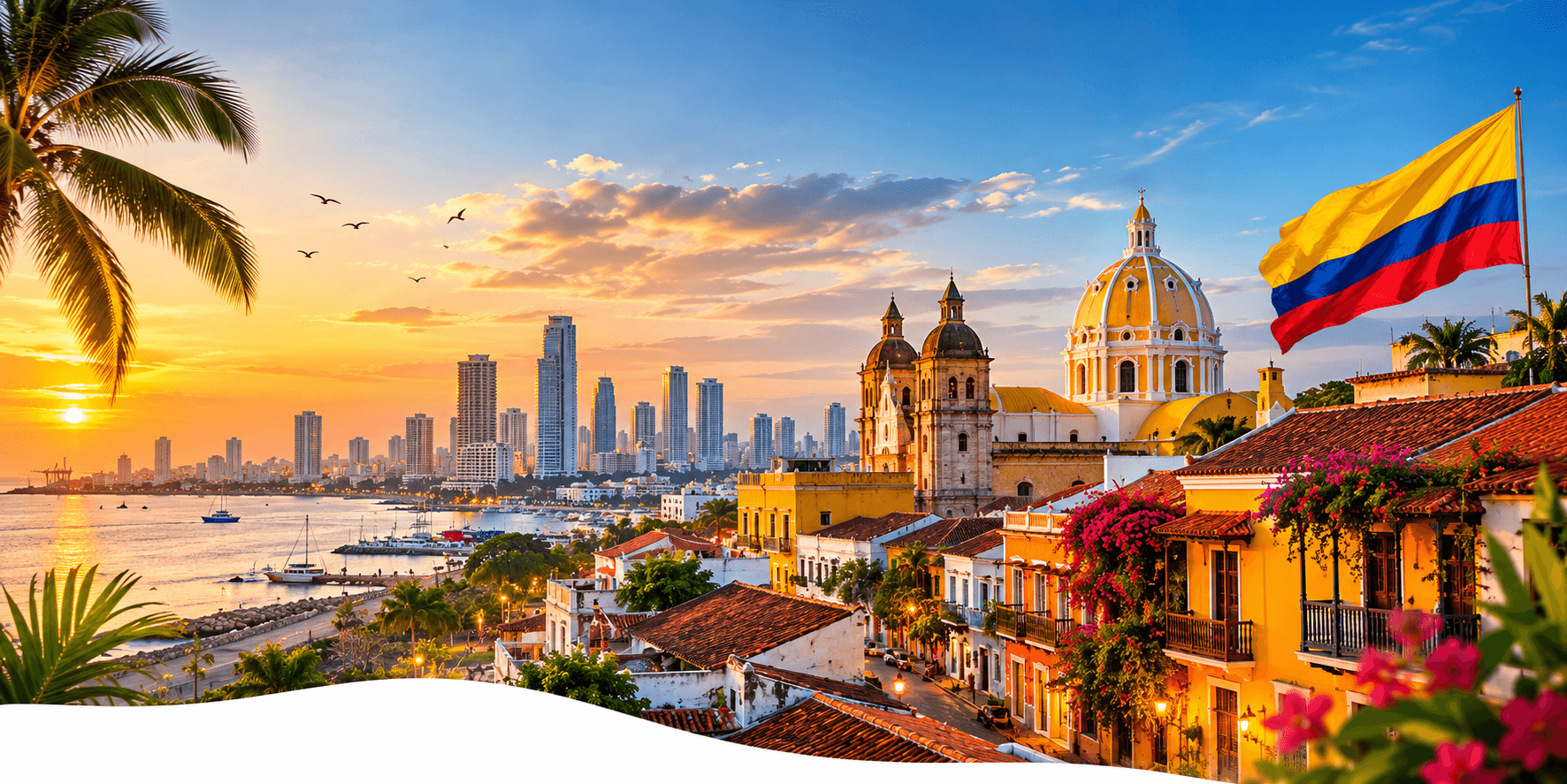
Colombia Emergency Recovery & Reconstruction Initiative
Clearing the Way for Colombia to Rebuild
The sequence
- 01
RECOVER
Assess what stands, what is lost and what threatens the people nearby.
- 02
DEMOLISH
Bring down authorized structures under a written plan.
- 03
CLEAR
Move debris out and reopen access to the area.
- 04
PREPARE
Stabilize and grade the ground for civil works.
- 05
REBUILD
Hand the site to those who will build on it.
COLOMBIA 2026
Recovery Requires More Than Demolition
After an emergency, the instinct is to start removing. But a site that is cleared without being understood becomes a second hazard. Recovery is a sequence, and every step has to hold before the next one begins.
Demolition alone does not produce a recoverable site. It produces a pile. What turns an affected area back into usable ground is the order the work is done in, and the condition it is left in.
Six things have to be true before reconstruction can begin. Each one is a scope, a cost and a risk that somebody has to own.
PRECONDITIONS
What Has to Be True Before Rebuilding Starts
- 01
Structures must be evaluated
Damage is not always visible from the street. Load paths, foundations and remaining capacity are assessed before any equipment is committed.
- 02
Unsafe structures must be stabilized or removed
A partially collapsed building continues to move. It is either braced or taken down — it is never left to decide on its own.
- 03
Debris must be cleared
Volume is only half the problem. Material has to be classified, loaded, hauled and disposed of through routes that can carry it.
- 04
Sites must be made accessible
Reconstruction crews, utilities and emergency services all need a way in. Access is restored before anything can be rebuilt.
- 05
Infrastructure must be restored
Roads, drainage and utility corridors carry the recovery itself. Work adjacent to them is planned around keeping them intact.
- 06
Land must be prepared before reconstruction can begin
A cleared lot is not a buildable lot. Grading, stabilization and a documented handover are what make the difference.
WHAT STAYS STANDING
Recovery Is Also Deciding What Not to Touch
Civic and heritage structures sit alongside the work and outlast it. They set the limits on method long before a machine reaches the site.
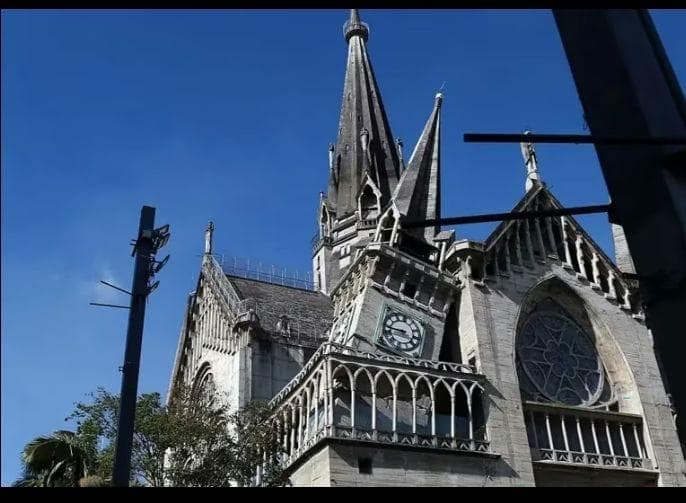
Heritage structures set the constraints on nearby work — vibration, access and dust are all limited by what stands next door.
RECOVERY PROCESS
From Emergency to Reconstruction
A structured approach designed to transform affected sites into reconstruction-ready environments.
- 01
Evaluation
Identification of affected structures and assigned work zones.
- 02
Planning
Demolition strategy, equipment, logistics, safety, access and material management.
- 03
Demolition
Controlled demolition of authorized structures.
- 04
Debris Removal
Classification, loading, transportation and material disposal.
- 05
Site Clearing
Clearing and basic stabilization of affected areas.
- 06
Site Preparation
Preparing sites for future civil works and reconstruction.
- 07
Reconstruction Ready
Delivering prepared sites to municipalities, contractors and reconstruction authorities.
Our scope ends where yours begins.
RECONSTRUCTION READY.
Our scope ends where reconstruction begins. A site is complete when a municipality, contractor or reconstruction authority can mobilize onto it without doing our work again.
HANDOVER
The Deliverable Is Ground Someone Else Can Build On
Our scope ends where reconstruction begins. A site is complete when a municipality, contractor or reconstruction authority can mobilize onto it without doing our work again.
That is the whole purpose of the initiative: to compress the distance between an emergency and the first day of rebuilding.
Colombia Emergency Recovery & Reconstruction Initiative
Bring the initiative to your department or municipality.
We work with departments, municipalities, disaster-management authorities and Colombian contractors on demolition and debris scopes at program scale.